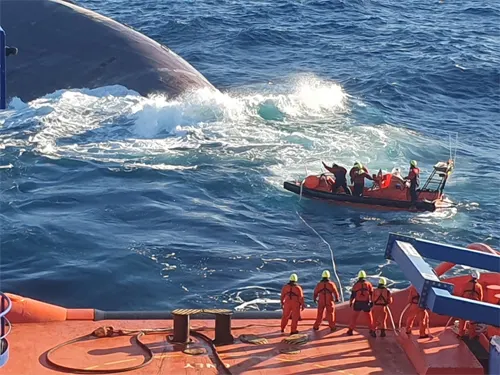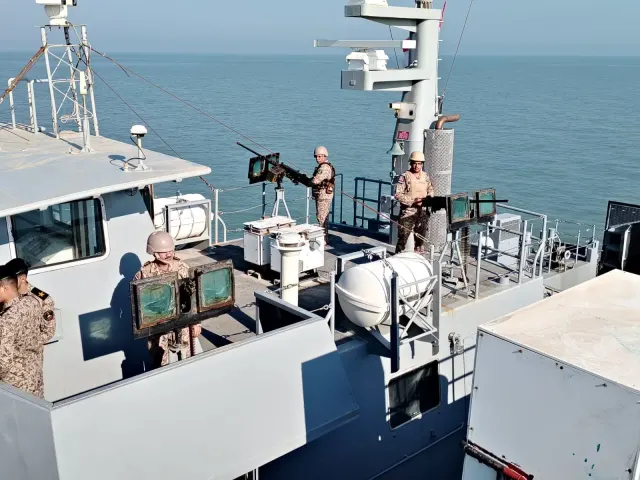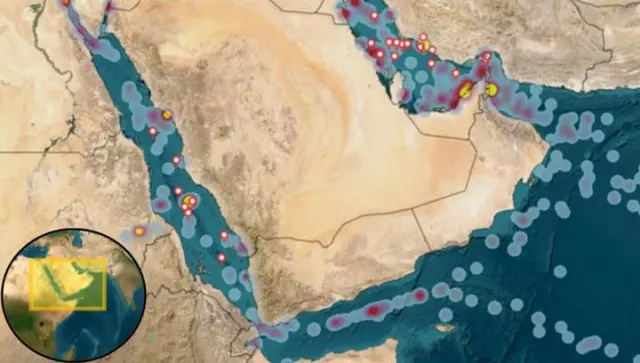
According to the UK Maritime Trade Operations, four tankers were reported struck in the Strait of Hormuz across late September. The attacks coincided with warnings from Iran's Islamic Revolutionary Guard Corps regarding unapproved transits, alongside an expanding blacklist of non-compliant vessels by the Persian Gulf Security Authority. Verified tracking identified two of the damaged vessels as Liberian-flagged crude tankers: the ADNOC-operated VLCC Mersin Prosperity and the smaller shuttle tanker Sinbad.
Despite the security threats and physical strikes, commodity data providers indicate that crude flows from the region are rebounding. Kpler figures cited by sources show September Gulf oil exports reaching an average of 16.5 million barrels per day, bolstered by shuttle-tanker operations and ship-to-ship transfers occurring near Fujairah. However, exporters are absorbing heavy financial impacts, with Iraqi crude reportedly discounted by up to $37 per barrel to offset transit risks.
While crude export volumes recover toward pre-war levels, other commodities such as liquefied natural gas and refined products continue to lag. LNG prices have unexpectedly declined from recent highs due to increased output in North America and alternative regions, but global diesel supplies remain severely constrained by refinery disruptions and regional security incidents.