Bangladesh notified the Basel Convention Secretariat in October 2026 that it will follow provisional guidance under IMO Circular HKSRC.2/Circ.1, issued on November 1, 2024. The circular invites countries to consider an approach under Article 11 of the Basel Convention, potentially allowing the import of end-of-life vessels without prior informed consent. Legal experts question whether an administrative IMO circular can legally override binding Basel requirements without establishing formal equivalency.
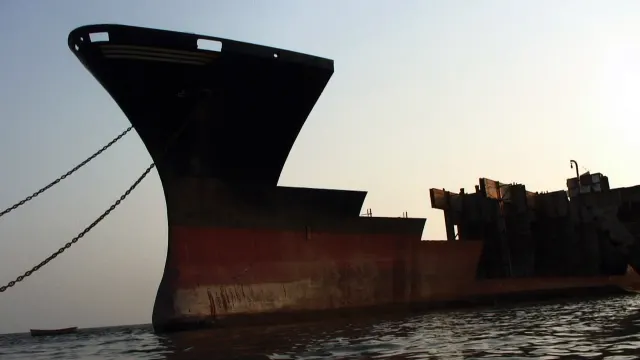
The debate centers on the dual legal character of end-of-life vessels, which remain seaworthy while qualifying as hazardous waste due to materials such as asbestos and contaminated oil. According to the NGO Shipbreaking Platform, Bangladesh, India, and Pakistan accounted for approximately 85 percent of global scrapped gross tonnage in 2025. While the Hong Kong International Convention for the Safe and Environmentally Sound Recycling of Ships entered into force on June 26, 2025, critics argue that certification under the Hong Kong Convention cannot automatically replace Basel's mandatory prior informed consent and downstream waste management safeguards.
Furthermore, questions remain regarding domestic infrastructure. As of October 2026, Bangladesh's first dedicated hazardous waste treatment facility at Mirsarai remained a proposed project under the IMO SENSREC program. Without verified downstream capacity and a formal Article 11 legal arrangement, exporting and transit States may face legal risks if they permit ship movements without standard Basel procedures.